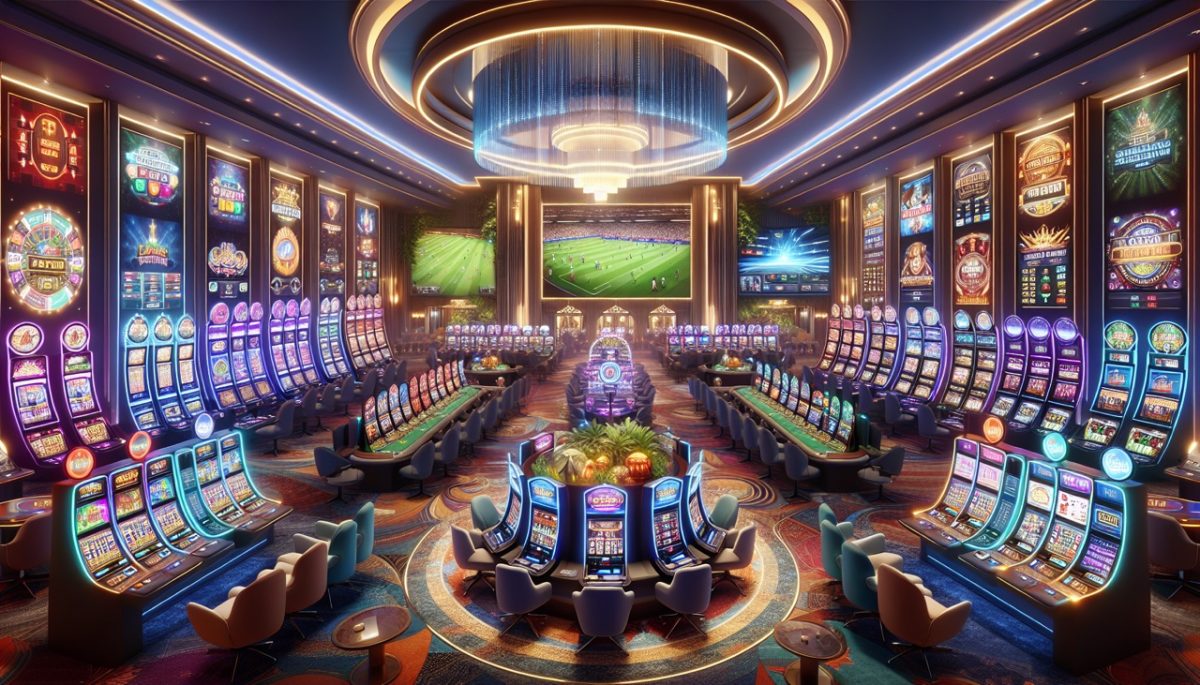
I en verden der teknologien stadig utvikler seg, er det ingen grenser for hvor kreativiteten kan ta oss. Dette er særlig tydelig når vi ser på hvordan nye casino på nettet har blomstret. Disse plattformene er ikke bare om steder for spill og underholdning; de er også vitner til bemerkelsesverdig design og innovasjon som kan inspirere andre kreative felt, spesielt innen kunst og design.
Inspirerende design i spillverdenen
Når man utforsker nye casino på nett, er det umulig å ikke legge merke til det eksepsjonelle designarbeidet som ligger bak. Fra fengslende fargevalg til intuitiv navigasjon, viser disse digitale plattformene en dybdeforståelse for hvordan design kan påvirke brukeropplevelsen. For studenter og fagfolk innen kunst og design tilbyr casinospill et fascinerende studieobjekt i hvordan visuelle elementer og interaktivitet kan kombineres for å skape engasjerende digitale miljøer.
Kunstnerisk uttrykk og innovasjon i brukergrensesnitt i nettcasinoer gir en uendelig kilde til inspirasjon for designere. Det er beundringsverdig hvordan disse plattformene mestrer balansen mellom estetisk appell og brukervennlighet, og skaper spillopplevelser som er like intuitive som de er visuelt tiltalende. Å studere hvordan online casinoer bruker grafisk design til å formidle spillregler og bonussystemer på en intuitiv måte, kan gi verdifulle innsikter for alle som jobber innen brukeropplevelse og interaksjonsdesign.
Designelementene i spillindustrien spenner over en rekke stiler og konsepter, lånt fra både historiske og moderne bevegelser innen kunsten. Motivene kan variere fra det minimalistiske til det ekstravagant ornamenterte, og reflektere en dyp forståelse av at estetikk kan influere på en brukers engasjement og opplevelse. Ved å inkludere elementer av populærkultur og kunsthistoriske referanser, skaper nettcasinoene et rikt visuelt landskap som appellerer til et bredt publikum over hele verden.
Teknologisk innovasjon og samarbeid
Teknologien bak nye casino er like imponerende som designet. Med avanserte løsninger for live dealer-spill, virtuell virkelighet og sikkerhetsprotokoller, representerer online casinoer forkant av digital innovasjon. Dette er en gyllen mulighet for samarbeid mellom teknologiselskaper og kunst- og designskoler. Ved å etablere partnerskap, kan studenter få hendene i den nyeste teknologien og utforske hvordan den kan anvendes i kreativt arbeid.
Gjennom bruk av de nyeste teknologiene som blockchain og kunstig intelligens, går nye casino foran i å forme fremtidens digitale underholdning. Denne pionerånden og viljen til å eksperimentere inviterer til et tettere samarbeid mellom kreative disipliner og teknologiske innovatører. For eksempel kan VR-teknologi revolusjonere måten vi opplever kunst og narrativ, noe som åpner dørene for eksperimentering med nye former for interaktivt design innenfor casino industrien.
Kreativitet som driver engasjement
I spillindustrien er det velkjent at engasjerende innhold er nøkkelen til suksess. Dette gjelder ikke bare for spillmekanikker, men også for det visuelle og narrative. Casinoer på nett har brukt dette til sin fordel, ved å utvikle spill som ikke bare er morsomme å spille, men som også forteller en historie eller bygger en unik verden rundt spilleren. Kunst- og designstudenter kan lære mye av denne tilnærmingen, ikke bare når det gjelder tegning og animasjon, men også i hvordan man skaper en helhetlig estetisk opplevelse som fenger brukeren.
Fra design av spillfigurer til skapelsen av immersive lydlandskap, strekker casinoindustriens kreativitet seg langt utover de grunnleggende aspektene ved spilleautomater og bordspill. Designere og kunstnere har en enestående mulighet til å bruke disse plattformene som et lerret for å uttrykke komplekse temaer og historier, noe som kan fange spillernes følelser på en måte som tradisjonelle spillmedier kanskje ikke kan.
Bærekraftig utvikling og etiske overveielser
Med veksten av nye casino kommer også et økt fokus på bærekraft og ansvarlighet. Spillindustrien står overfor kritikk når det gjelder problematisk spilladferd, og som et resultat, jobber mange online casino med innovasjoner som fremmer ansvarlig spill. Dette er et område hvor kunst- og designfag kan spille en kritisk rolle – gjennom å utvikle designløsninger som ikke bare er estetisk tiltalende, men som også fremmer sunne spillevaner.
Når vi beveger oss mot et mer miljøbevisst og etisk ansvarlig samfunn, kan kunst og design spille en nøkkelrolle i å formidle viktigheten av bærekraft gjennom spill. Ved å integrere miljøvennlige og sosialt bevisste temaer i spillopplevelsen, kan designere hjelpe med å skape en kultur av ansvarlighet og bærekraft innen spillindustrien.
Fremtidsperspektiver og nye horisonter
Det er klart at spillindustrien, spesielt nye casino, har mye å tilby kunst- og designverdenen. Fra teknologisk innovasjon til fascinerende bruk av visuell kunst, er det mange områder hvor disse to feltene overlapper og kan lære av hverandre. For fremtidige designere representerer denne krysspollineringen en utømmelig kilde til inspirasjon og muligheter. Ved å utforske spilldesign, kan kommende kunstnere og designere utvide sine ferdighetssett, utforske nye medier og kanskje til og med bidra til å forme fremtidens digitale landskap.
Utviklingen innen nye casino gir spennende muligheter for ferdighetsutvikling og kreative utfoldelser. Med fokus på fremtidsrettet design kan kunstnere og designere ikke bare forbedre nåværende digital kunst, men også bidra til å utforme estetikken i fremtidige teknologiske applikasjoner. Ved å holde tritt med tempoet av innovasjon innen spillindustrien, kan kunst og design fortsette å være i forkant av kreative og teknologiske fremskritt.